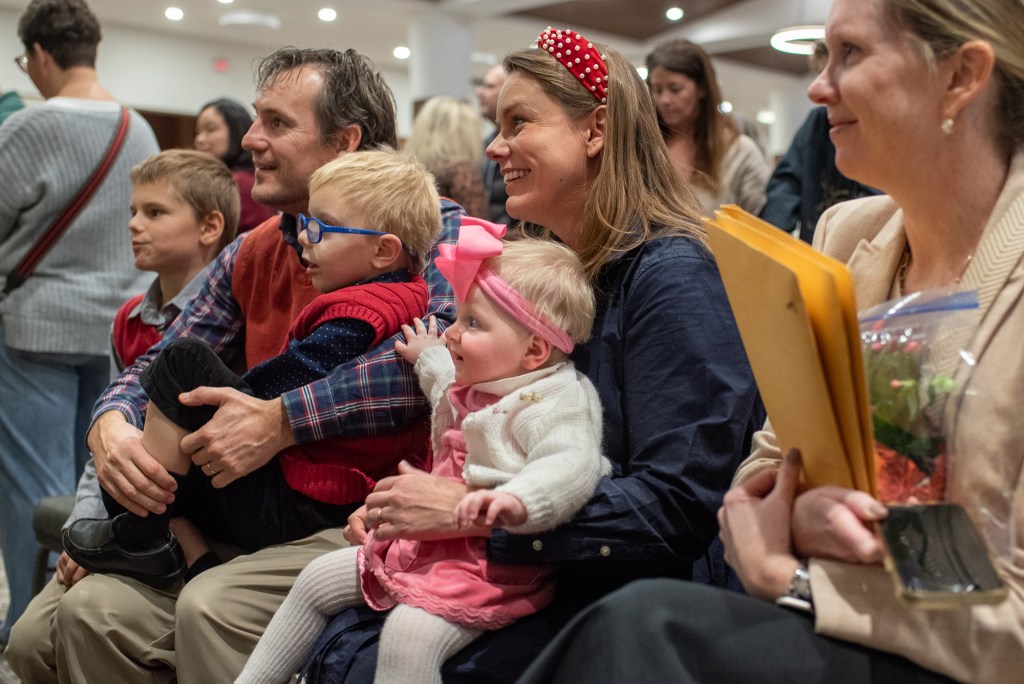
Justin Neal is running to represent District 1 in the Onondaga County Legislature. His opponent, incumbent Brian May, currently serves as the body’s minority leader. Neal is running on the Democrat and Working Families Party line.
Central Current sent Neal 11 questions about housing, immigration, data centers, agriculture, and more. Here are his responses.
Central Current: With Micron moving in, politicians from every part of the political spectrum have emphasized the importance of building more housing. What is your vision for increasing housing in Onondaga County, and what role (if any) should the county play in doing so?
Justin Neal: Micron is a tremendous opportunity to spur economic growth in our community in a way we have not seen in generations. The cost of housing in Syracuse is driven partly by property value growth but is fundamentally impacted by a shortage of supply in the county. Using the tools at the legislature’s disposal such as OCIDA or other affordable housing initiatives to encourage builders to expand inventory is key to keeping Onondaga County affordable. This year’s budget is an amazing example of what the legislature is capable of doing to support this. I wish it was done sooner and I give full credit to the new Democratic majority for championing this issue. Likewise, we need to ensure we have strong infrastructure and public transportation so that when an opportunity may be disconnected from where a resident lives, we are making it as easy as possible for everyone to be able to have a home they can afford and the job opportunities they need. I will continue to ensure investments in both of these continue into the future.
CC: Transparency has been a major talking point in the legislature this year – from donor transparency around the aquarium to concerns that each caucus brings things to the floor without giving the other advance notice. Where would you like to see more transparency in county government, and what can the legislature do to enforce it?
JN: We need to improve transparency in the county government. In other states, we have seen data center projects moving forward where those who know what’s happening are either not sharing or are bound by non-disclosure agreements. Locally, we’ve seen the secretive movement of funds out of the public eye to accomplish “fishy” projects. This is only exacerbated as we zoom out and go to a national level. People are frustrated. I’m frustrated.
At the end of the day, the goal of our elected officials is to be available to answer our questions and act in an open and transparent manner. Our local government is our voice speaking from the ballot box. We deserve better. The legislature has taken good first steps in asking questions instead of rubber stamping, as it has done for decades past. I do feel that there continues to be tension in county government and personally feel that there is a drive by some for a strong, unitary county executive. We’ve seen how that playing out at a national level and many in our community want to see a return to checks and balances of the branches of our government.
If elected, I’ll continue positive, constructive conversations to gain greater insights into how county government is working, where it’s not, and where our tax dollars are being spent. If there are local department leaders who will not provide clear and complete information to the body entrusted with that oversight, I believe the legislature should use all the powers at its disposal to compel it.
CC: As thousands of Onondaga County refugees and residents lose their access to SNAP benefits, what should the county’s role be in ensuring access to food?
JN: The pressure being put on our local communities from the national level is why local government matters more than ever. Food insecurity and the level of poverty in the county are at levels that are unsustainable, and this crisis will only get worse. First, as a county, we need to ensure we are providing adequate support for those we employ and ensuring that all of our social services are staffed to the budgeted level to provide essential functions to our community. We should create incentives for local farmers and encourage buying local, fresh, safe produce from our community farms. It’s cheaper when it’s grown here and sold here. Many of those farms are here in Lysander and Van Buren. We need to ensure we are funding our social services to provide this security to our friends and neighbors and to take care of each other.
CC: Roughly one-third of Onondaga County’s land is used for agriculture. What, if anything, can the county do to support farmers, farm workers, and other people involved in agriculture in the county?
JN: Buy local, support initiatives for businesses that buy local including in any type of program that is being performed for county government. Provide preference in contracts to those who grow both our food and our community here locally in Onondaga County so the money stays here and comes full circle. We need to support farmers by protecting their right to farm on the land they have for decades. We should carefully look at zoning to ensure that we are not losing some of our most precious farmland to development opportunities for solar farms, battery storage, and data centers. And the last thing any of us want in 10-15 years is a landscape of abandoned hyper-scale data center sites where farm fields used to be. Once this resource is taken it is very hard to recover. Let’s provide the incentives and support to our local farmers so they can keep growing the food that fuels our community and keeps us all healthy.
CC: As Micron prepares to move into Onondaga County, some county residents have raised concerns about PFAS and other emissions. How do you plan to mitigate the environmental concerns of county residents?
JN: Monitoring PFAS and other emissions is important to ensure that Micron adheres to the safety parameters of the agreement with the county and state to not present another Onondaga Lake-style problem. My understanding of the challenge is that there are concerns that the scope of items to be monitored may not include the chemicals that some believe should be monitored. I understand there is a lawsuit working its way through the process. If elected, I would examine the scope of what is covered and the impact of what is not and do what I can to ensure the proper safeguards are in place regarding monitoring those critical elements which can impact our environment.
CC: Could the county be doing anything more to mitigate and combat its lead problem? If so, what?
JN: We should be investing in making our community safe before we continue with additional high-profile projects. The building of an aquarium while children in our community continue to be subject to high lead levels is a failure of our government to take care of our most vulnerable. We need to prioritize public health and safety when we look at our county government and find the tools to solve this problem. As we make incredible investments and tax incentives for things like Micron, we want to be known as a high-tech corridor of opportunity, not Central NY’s Flint, Michigan. We need to support the lead service replacement strategies which are impacting some of our most vulnerable in city. We should look to dedicate additional resources to improve those homes.
CC: Over the last two years, USCIS has rolled back protected status for many groups of immigrants and has begun to target people for detainment who might not have been targeted in the past (i.e.: asylum seekers). Do you believe the county needs to do anything more to protect its large immigrant and refugee populations? If so, what?
JN: We’ve seen recently ICE agents chase workers onto roofs just to the north of us, where citizens acted as observers to ensure fair treatment. We have seen many gather round to support hard-working members of our community from Upstate targeted by ICE. We are a community of immigrants. We are the city of Jerry Rescue, where a community came together to fight the injustice of the fugitive slave laws in 1851 to break the chains of an enslaved man and spirit him to Canada to escape the injustice that was the law. We should do nothing less than remember our city’s heritage.
Our immigrants bring out the very best in us. Until the national situation has been addressed, we should not be complicit in these attacks on our community, our friends and our neighbors. No element of our county government should be supporting ICE operations. We need to clearly say where we stand. If you want to know where my opponent stands, look at the legislatures vote this February. Let me be clear: we need to find every legal means at our disposal to ensure we are not supporting ICE and that we stand on a moral high ground to oppose what we have across our whole country. We are a nation of immigrants and we should be finding ways to work together to support those who are living among us because they have fled life-threatening conditions and have come to be productive, tax-paying members of our community who contribute in far more important ways than money.
CC: What – if any – role should AI have in county operations? Should the county develop rules and policies to regulate its use?
JN: We need to understand tools that are available and how they are being implemented and what safeguards exist. AI now answers calls for 911 and much of that decision was made without any input from the county legislature. That has resulted in a lawsuit as that seems to fly in the face of state law. As we continue to progress into a world with little or no safeguards around AI use, I do believe the role of the legislature should be to ensure there is responsible use and protection of sensitive information that may pass through AI systems. It’s also important we understand how these solutions can impact county operations as a whole in the future. If we lose the training progression that may exist today and tasks are subsumed by AI, we risk losing a critical tool of how we develop a bench of talent for our county operations. It is extremely common for organizations dealing with sensitive information such as health care entities to require a steering committee to review these proposals before they are implemented. Onondaga County should do the same and include voices from the legislature.
CC: County Executive Ryan McMahon has announced a plan to study the feasibility and potential impacts of building a data center in Onondaga County. What would be the ideal outcome of that study? Depending on the outcome, how do you plan to respond?
JN: The ideal outcome is addressing whether we want these in our community vs justifying them in our community. This is a critical issue in Lysander, where actions have already driven the town board to push for a moratorium even before the NYS moratorium. The county has started the process of reviewing the feasibility and economic benefits of a data center, but I feel the people of Lysander have been very clear that they do not feel this is a fit for our community. The proposed site is on the doorstep of Three Rivers Nature Preserve and threatens to drive up utility costs for the residents of the town and the county. If elected I will support the town and any town in the county looking to understand how they can stand up to the colossal forces threatening our communities. I will strongly oppose any use of industrial development dollars to bring these into our community. Communities that fight these projects face enormous pressure, including threat of lawsuits, and I believe we need to form a partnership to give more resources to support these local governments both in their due diligence of zoning best practices and in legal support so they feel comfortable making the decisions their communities want. Especially when that answer is No Data Centers. We need to look at the county level, because if one town opens the doors to multiple hyperscale data centers, that will significantly impact the affordability of the entire county.
CC: Syracuse consistently has one of the highest rates of childhood poverty in the nation. Do you believe the county should be doing anything more than it is currently to address childhood poverty? If so, what?
JN: Anything we can do. We need to look to provide affordable food from our local farms to help provide fresh produce for healthy food programs. We need to invest in affordable housing solutions to allow people to live in appropriate housing in the county and ultimately fight the affordability crisis in the county. We need to provide community-based solutions that put health care in areas like our schools to allow access to primary care and services at the center of their community rather than requiring parents to miss work to take their child to an appointment. And we need to ensure that county employees and other government employees are paid a fair, living wage to recognize the critical function they serve to our community and support the overall economic health of our community.
CC: What county issues and concerns have an outsize impact in your district specifically? How do you plan to address those concerns and bring them to the forefront of the legislative agenda?
JN: The data center is at the forefront of the concerns that keep the residents of the 1st District up at night. I had the privilege of speaking to those concerns and thank the Citizens for Lysander who are continuing to keep this issue top of mind and holding local candidates accountable for the decisions they are making. Far too often the view is that an economic benefit of jobs or tax revenue is worth the sacrifice of parts of what makes our communities great. The county budget includes substantial support for public housing and social services that have been underfunded for years, often without public discourse. Public trust has been damaged in the last several years. At both federal and county levels, people have come to question the motivations behind the actions of elected officials and transparency. The lack of transparency surrounding transfers by the county executive to the aquarium, and the unnecessarily long fight over term limits, are just a few examples where we need to return trust and transparency to our county government. We need to ensure not just job creation but community quality are drivers to the decisions we support with our tax dollars in Onondaga County. When the only concern is IDA tax breaks and not community growth, I don’t think we should be surprised by the poverty that persists in our community. If elected, I will ensure regular community meetings are held to hear community feedback and provide updates from the legislature. The ever-evolving priorities of our community should be the driver of what I will champion over the next 4 years. We have a lot to do and it should be an evolving target. But we can accomplish those tasks when we work together.
Read more of Central Current’s coverage

2026 General Election Q&A: Onondaga County Legislature 14th District candidate Jessica Dapson
Democrat Jessica Dapson is running to represent the legislature’s 14th District. She faces Cody Kelly in the race for the seat.

2026 General Election Q&A: Onondaga County Legislature 2nd District candidate Matt Jones
Democrat Matt Jones is running to represent the legislature’s 2nd District. He faces Kevin Meaker in the race for the seat.
2026 General Election Q&A: Onondaga County Legislature 15th District candidate Jo Bennett
Democrat Jo Bennett is running to represent the legislature’s 14th District. They face Woodruff Carroll in the race for the seat.
2026 General Election Q&A: Onondaga County Legislature 17th District candidate Laura Lavine
Republican Laura Lavine is running to represent the legislature’s 17th District. She faces Majority Leader Nodesia Hernandez in the race for the seat.
2026 General Election Q&A: Onondaga County Legislature 12th District candidate Neil Smith
Democrat Neil Smith is running to represent the legislature’s 12th District. He faces David Knapp in the race for the seat.